
To choose the right event production company for a conference, prioritise proven experience with events of a similar scale and format, confirm they own (rather than sub-hire) the core audio, lighting and staging equipment, and check they provide a dedicated technical producer who manages the run of show on the day. Ask for references from comparable conferences, a clear contingency plan for equipment or power failure, and a line-itemised quote so you can see exactly what you are paying for.
A conference lives or dies on execution. The speakers, the content and the venue matter, but if the microphone cuts out during the keynote or the slides won't display, that is what delegates remember. The right production partner makes the technology invisible so the content can land. Below is how to separate a genuine event production company from a box-hire supplier.
Match their experience to your specific format
Not all event experience is equal. A company that excels at weddings or gala dinners may not be equipped for a multi-track conference with breakout rooms, live streaming and simultaneous presentations. Ask specifically about conferences of your scale — delegate numbers, number of concurrent sessions, and whether the event is hybrid or in-person only.
For a Melbourne or wider Australian conference, local experience matters more than you might expect. A producer who has worked your likely venues already knows the loading dock access, the in-house power, the rigging points and the venue's own AV restrictions. Ask to see a portfolio of comparable events — that knowledge removes risk on the day.
- Have you produced conferences of a similar delegate count and session structure?
- Can you share two or three references from comparable events?
- Are you familiar with our shortlisted venue and its technical constraints?
Owned equipment vs sub-hire
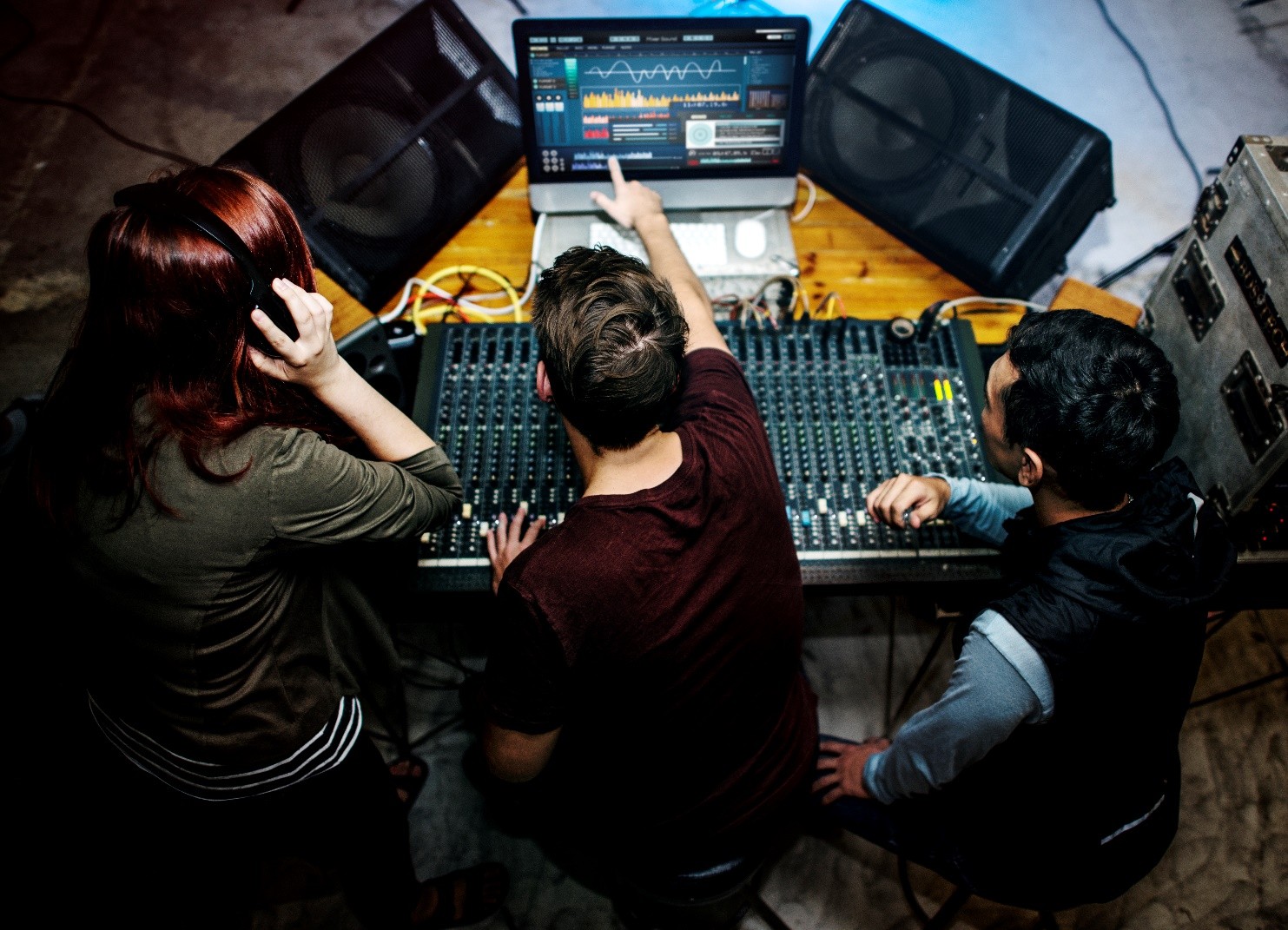
This single question tells you a lot. A company that owns its core inventory — audio systems, lighting, LED screens, staging and control equipment — has direct control over quality, availability and backup. A company that sub-hires everything is adding a margin and a dependency: if their supplier is double-booked, your event is exposed.
Owned equipment also means the crew knows the gear intimately. When something needs a fast fix mid-session, familiarity is the difference between a ten-second recovery and a visible failure.
Insist on a dedicated technical producer
Equipment does not run itself. The most important person on the day is the technical producer or show caller who cues speakers, manages transitions between sessions, coordinates the crew and solves problems before delegates notice them. Confirm that a named, experienced producer will be present for the full event — not just a delivery-and-setup crew who leave before doors open.
Ask who your single point of contact is from planning through to pack-down. Fragmented responsibility is where conferences unravel.
Interrogate the contingency plan
Professional producers plan for failure. Ask directly: what happens if a projector dies during a keynote? If mains power drops? If a presenter's laptop won't connect? A confident, specific answer — redundant equipment on site, backup power, spare radio mics, a tested failover for streaming — signals a company that has been through it. A vague answer is a red flag.
For hybrid conferences, contingency extends to internet. A serious producer brings a bonded or backup connection rather than relying solely on venue Wi-Fi, and can advise on the right hybrid event setup for your format.
Compare quotes like for like
The cheapest quote is rarely the cheapest event. A low headline price often excludes crew hours, bump-in and bump-out time, on-site technical management, or contingency equipment — costs that reappear later or, worse, as failures on the day. Ask every shortlisted company for a line-itemised quote so you can compare what is actually included.
Look specifically for: crew numbers and hours, equipment redundancy, technical management on the day, and whether setup and pack-down are costed in. A transparent quote is itself a sign of a professional operation. When you're ready, get in touch with our team for a detailed quote.
frequently asked questions
For a mid-to-large conference, engage a production company three to six months ahead. This gives time for site visits, technical planning and equipment reservation, especially in peak seasons like spring and end-of-year when venues and crews book out quickly.
An AV hire company supplies equipment; you are responsible for design, setup and operation. An event production company designs the technical solution, provides and operates the equipment, and manages the show on the day with a dedicated producer. For a conference, full production is almost always the safer choice.
Cost varies widely with scale, venue, session count and whether the event is hybrid. Rather than a headline figure, ask for a line-itemised quote covering equipment, crew, technical management and contingency so you can compare providers accurately.
Get a fast, tailored LED screen quote
Every event is different, so the most accurate figure is a real quote based on your venue, dates and content. Tell us what you're planning and our Melbourne team will recommend the right screen size and pixel pitch and send a clear, itemised quote — usually the same business day.